
By Ayo Ajayi
Dr. Romanus Osabohien has called on the Nigerian government to strengthen political will, reduce corruption and curb energy waste as critical steps toward improving energy efficiency and stabilising the energy supply chain.
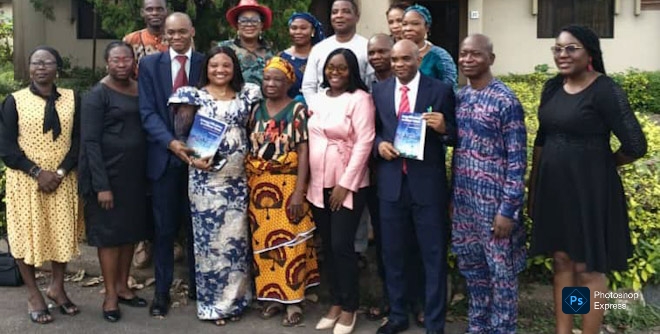
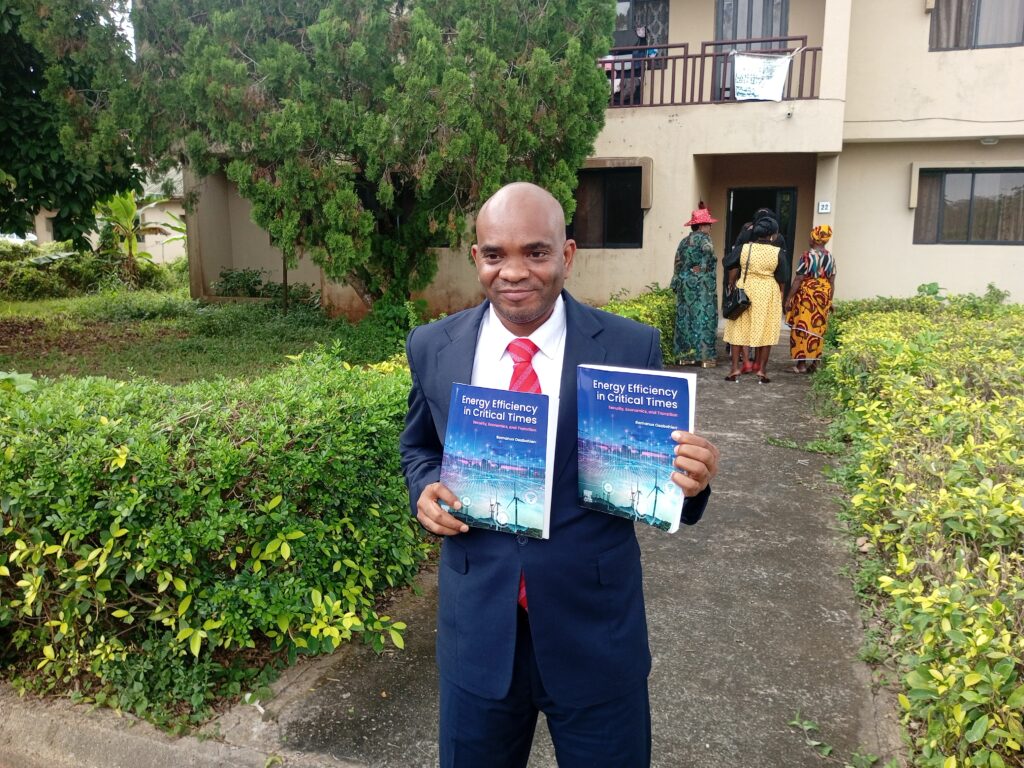
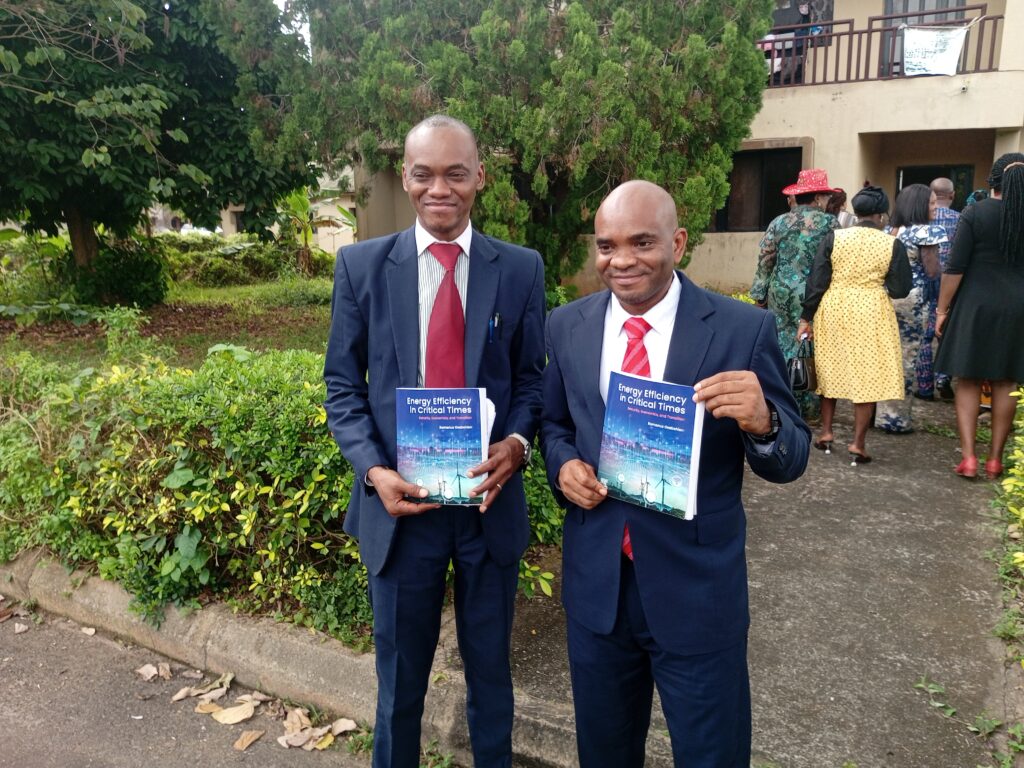
Osabohien, the editor of the newly launched book Energy Efficiency in Critical Times: Security, Economics, and Transition, made the call on Sunday, December 21, 2025, during a pre-launch press conference held at Covenant University, Ota.
He explained that the idea for the book emerged from the global disruptions caused by the COVID-19 pandemic and the Russia–Ukraine war, both of which significantly affected global energy supply chains.
According to him, Russia’s role as a major energy supplier to Europe and other parts of the world further exposed vulnerabilities within the global energy system.
“The focus of the book is to examine how critical times such as pandemics and wars disrupt energy supply chains and what can be done to mitigate these challenges,” he said.
Dr. Osabohien stressed that improving the efficiency and resilience of the energy supply chain remains his major recommendation, noting that energy waste must be reduced through deliberate policy actions.
He also advocated stronger collaboration between the government and the private sector, describing such partnerships as essential for driving sustainable energy development.
In addition, he highlighted the benefits of adopting electric vehicles, noting that their use would significantly reduce carbon monoxide emissions and improve public health outcomes.
“While there may not be a permanent solution, consistent improvement in energy systems will make a significant difference,” he added.
Corroborating his views, the Host and Founding Chair of DiaDeRC, African Scholars Mentorship Network (ASMN), Prof. Evans Osabuohien, described the book as timely, particularly given its publication by globally renowned publisher, Elsevier, which he said lends its international credibility.
“We need political will to make progress. There is no justification for energy insufficiency in a country blessed with diverse energy options such as solar, biomass and hydro,” he said.
Prof. Osabuohien noted that government investment does not necessarily have to be excessive, stressing that creating a conducive environment for investors would attract private capital into the energy sector, similar to the transformation witnessed in Nigeria’s telecommunications industry.
“If the right environment is created, today’s challenges will become tomorrow’s testimony,” he said.
The professor of Economics at Covenant University also described Dr. Romanus Osabuohien as focused, committed and willing to learn, qualities he said were reflected in the depth and relevance of the publication.
About the Book
Energy Efficiency in Critical Times: Security, Economics, and Transition provides a holistic perspective on energy policy analysis and development from a global context, covering economic, security, and technological aspects.
Sections focus on economic policy for energy systems, consider the impacts of policy for technological system advancement, such as vehicle electrification and renewable energy integration, demonstrate techniques for analysis of major events, including the huge ramifications of the COVID-19 pandemic and Russia’s 2022 invasion of Ukraine, and focus on energy trading across borders.
Including cutting-edge analyses of recent crises and close assessment of needs specific to lower-income countries, this book provides researchers, policymakers, and students with an essential guide to energy policy for a secure and sustainable future.
