

By Ayo Ajayi
Private school owners have been challenged to move away from imitation and competition based largely on facilities and school fees, and instead identify and strategically develop the unique strengths that distinguish their institutions.
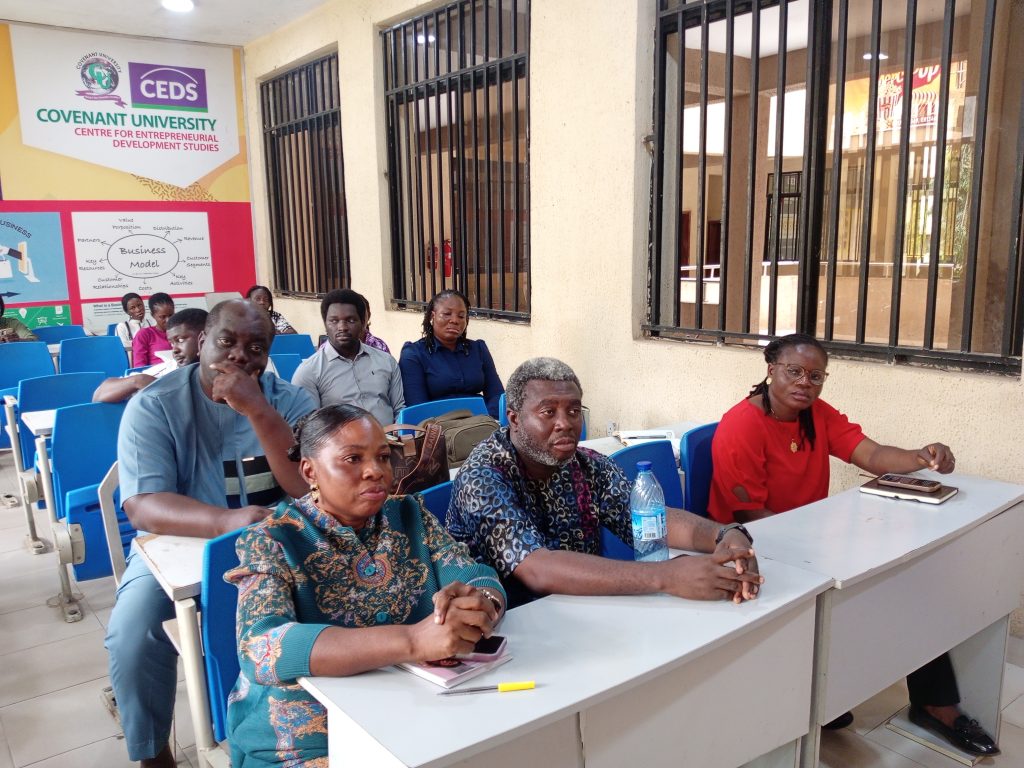
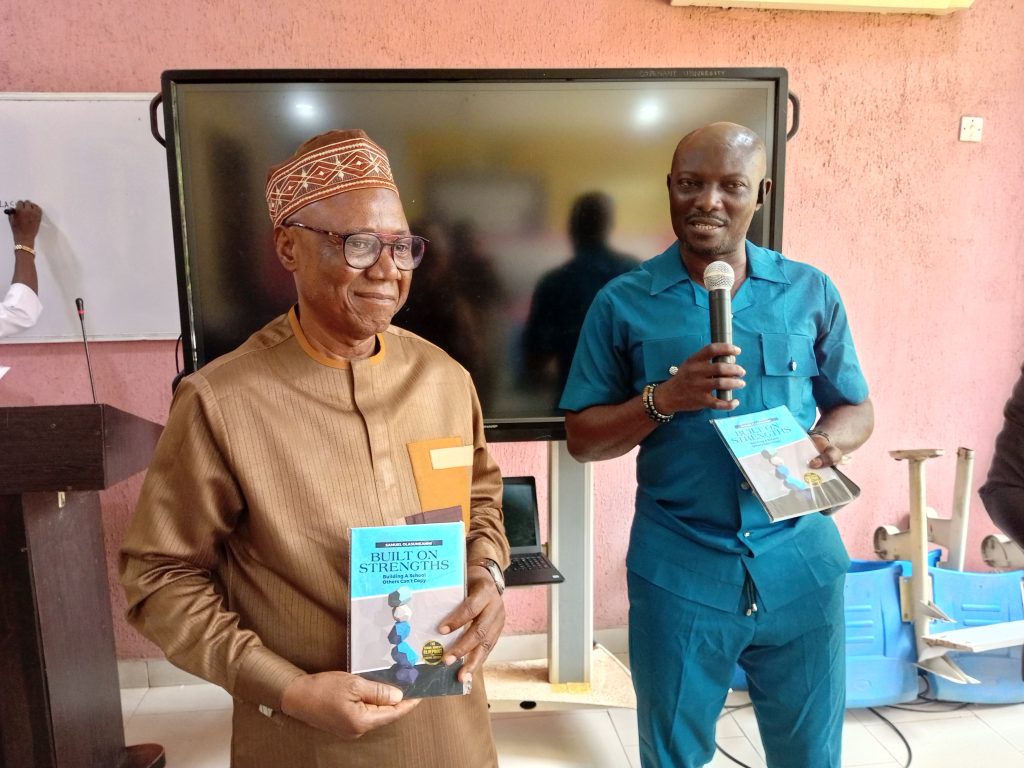
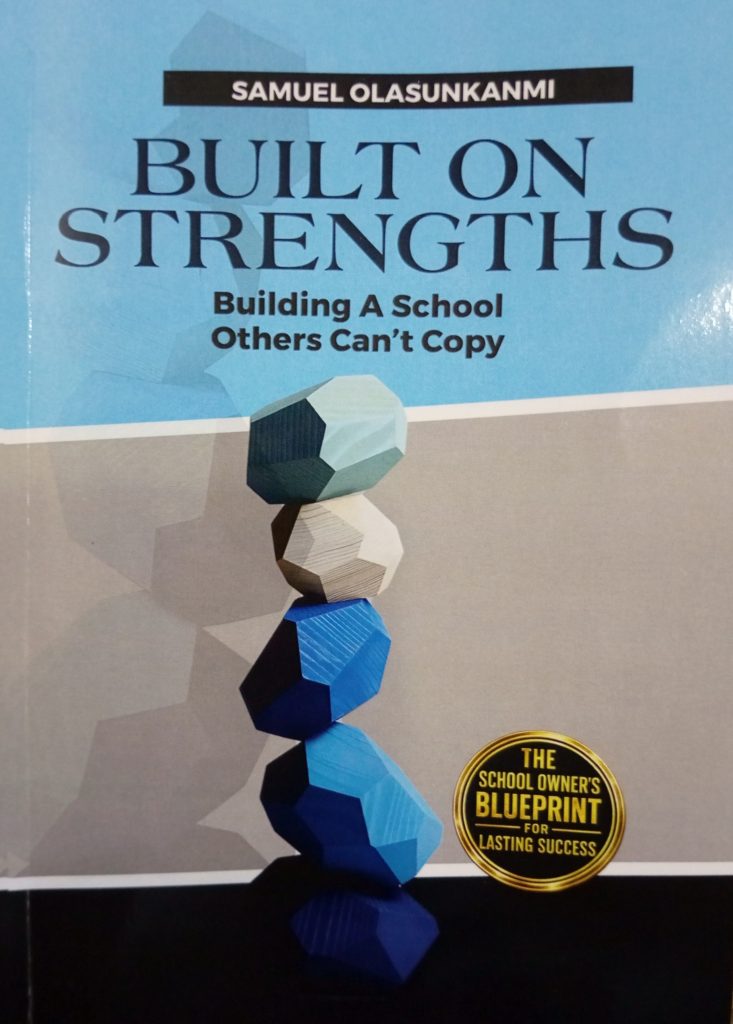
The charge was made by educator, school leader and author, Samuel Olasunkanmi, at the public presentation of his book, Built on Strengths: Building a School Others Can’t Copy, held in Ota, Ogun State, on Saturday, September 5, 2026.
Speaking at the launch, Olasunkanmi said many schools were struggling despite the sacrifices of their owners, not necessarily because they were inferior to competing schools, but because they had failed to establish what made them genuinely different.

According to him, the major challenge confronting many schools is what he described as the “syndrome of imitation”, where institutions continually reproduce what competitors are doing instead of identifying and building on their own distinctive strengths.
He explained that attractive buildings, quality teaching, strategic locations and affordable fees, while important, could hardly provide sustainable competitive advantage because competitors could easily reproduce them. The more important question, he stressed, was: “What are we exceptionally good at that creates real value for our parents and students, and can become difficult for competitors to reproduce?”
Olasunkanmi said the book was not written to encourage school owners to wage war against competitors, but to help them understand why their schools deserve to be chosen. He maintained that every school should have a clear reason for being preferred, built around a strength that is valuable, developable, communicable and capable of becoming part of the institution’s identity.
His message to school owners was emphatic: “Stop trying to become a copy of the school you admire.” While acknowledging the importance of studying successful schools and learning from their practices, he urged proprietors not to lose their identity in the process, declaring: “Imitation is limitation. But differentiation is the key to market dominance.”
The author noted that Built on Strengths provides practical tools to help school owners examine their institutions more critically, including seven Strength Tests designed to reveal their strongest areas and show how those strengths can be converted into deliberate strategies for enrolment, investment, leadership, communication and sustainable growth.
He further urged school owners to rethink how they assess success, particularly by looking beyond facilities and fees to the value parents and students derive from the institution. He challenged them to consider a crucial question: “If another school copies everything we are doing today, what will still remain uniquely ours?”
Reviewing the book, educational coach and book reviewer, Dr. Femi Bolaji, described it as a time-based work, noting that its message speaks directly to the realities confronting schools today while retaining relevance for the future. His assessment underscored the practical and enduring nature of Olasunkanmi’s approach to school development and differentiation.
Beyond its focus on school management and competitiveness, the book advocates a shift in mindset among private school owners, from trying to keep pace with others to deliberately building institutions around authentic strengths. It presents differentiation as a pathway to attracting the right parents, inspiring school teams and creating sustainable value in an increasingly competitive education market.
The author said the ultimate measure of the book's success would not be the number of copies sold, but its ability to change how school owners see and build their institutions. Built on Strengths, he stressed, is ultimately a call for schools to discover what makes them exceptional, develop it intentionally and build systems around it, so that while others may admire or copy what they see, they cannot easily reproduce what makes the school unique.
